
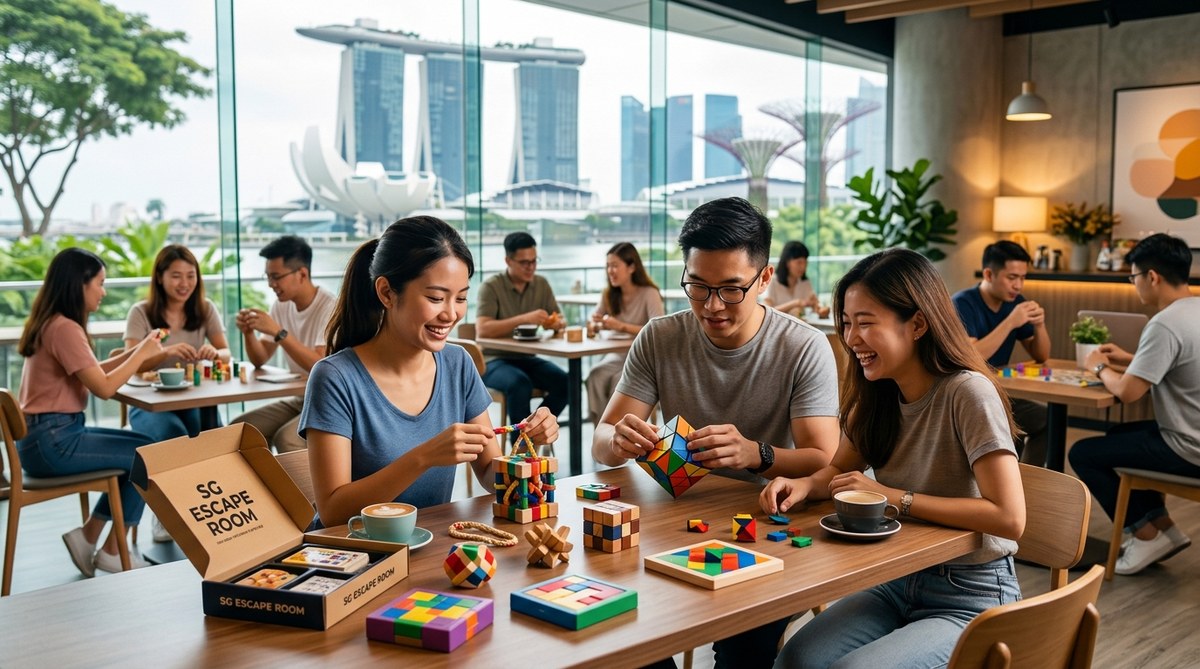
Singapore is a city of curious minds and compact spaces where a good puzzle can turn a quiet moment into a shared challenge. In cafes, libraries, and online spaces, Singaporeans are turning to brain teasers and puzzle games as a daily ritual, a social hobby, and even a mental warm up before work. The trend is not just about killing time; it is about connection, creativity, and a sense of local culture that loves a clever clue. In this article, we explore how puzzle games and brain teasers are trending in Singapore, what kinds of puzzles are most popular, where people are gathering to share the experience, and how this phenomenon reflects broader shifts in leisure, education, and community life on our sunny city island.
A quick snapshot of the puzzle trend in Singapore
Puzzles have moved from being a solitary pastime to a social hobby that fits into Singaporeans’ fast paced lives. People mix traditional formats with digital twists, and community events bring together diverse ages and backgrounds. Here are some key patterns we are seeing across the island.
- Everyday accessibility: Puzzles are found in coffee shops, bookstore corners, and even hawker center lounges. Short sessions fit between errands, commutes, or a quick lunch break.
- Hybrid formats: Many puzzle experiences blend paper and screen, offline and online, or solo play with group challenges. For example, a cafe might host a live Sudoku corner while sharing digital progress boards on a screen.
- Multi generational appeal: Grandparents who grew up with crosswords and Sudoku share tips with teenagers who learned on mobile apps. The conversations around the puzzle table become a bridge across generations.
- Cultural twists: Singaporean language flair enters puzzles through bilingual word games, local references, and multilingual clues that reflect the nation’s linguistic mix.
This combination of accessibility, social texture, and cultural resonance explains why puzzle games and brain teasers feel like a living, breathing phenomenon in Singapore rather than a niche hobby.
The rise of everyday puzzles in Singapore
Puzzles are now embedded in daily life rather than reserved for special occasions. The mood is playful, curious, and practical, offering a mental hobby that fits Singapore’s compact urban life.
Popular puzzle formats gaining traction
- Sudoku and its variants: Standard grids remain a staple, but many venues and apps experiment with time trials, themed grids, and mentor led clinics.
- Word games and crosswords: From bilingual word searches to Singapore focused crosswords that include local neighborhoods, street names, and cultural references.
- Nonograms and picture puzzles: These appeal to visual learners and create a satisfying moment of “seeing the big picture” unfold as colors fill in a grid.
- Cryptic and logic puzzles: For a more cerebral challenge, cryptic clues and logic grids draw enthusiasts who enjoy slow deliberate deduction.
- Quick brain teasers: Short riddle style puzzles that can be solved in a minute or two, perfect for social media and quick sessions during the day.
Why these formats resonate in Singapore
- Time efficiency: Short bursts of puzzle play suit the fast pace of daily life here.
- Local flavor: Puzzles that nod to Singaporean streets, neighborhoods, or multicultural references feel relevant and inclusive.
- Social spillover: Solving puzzles with friends or strangers creates a shared experience that extends beyond the page or screen.
- Self improvement: Many players view puzzles as a mental workout that supports focus, memory, and cognitive agility.
Mobile puzzle apps and social sharing
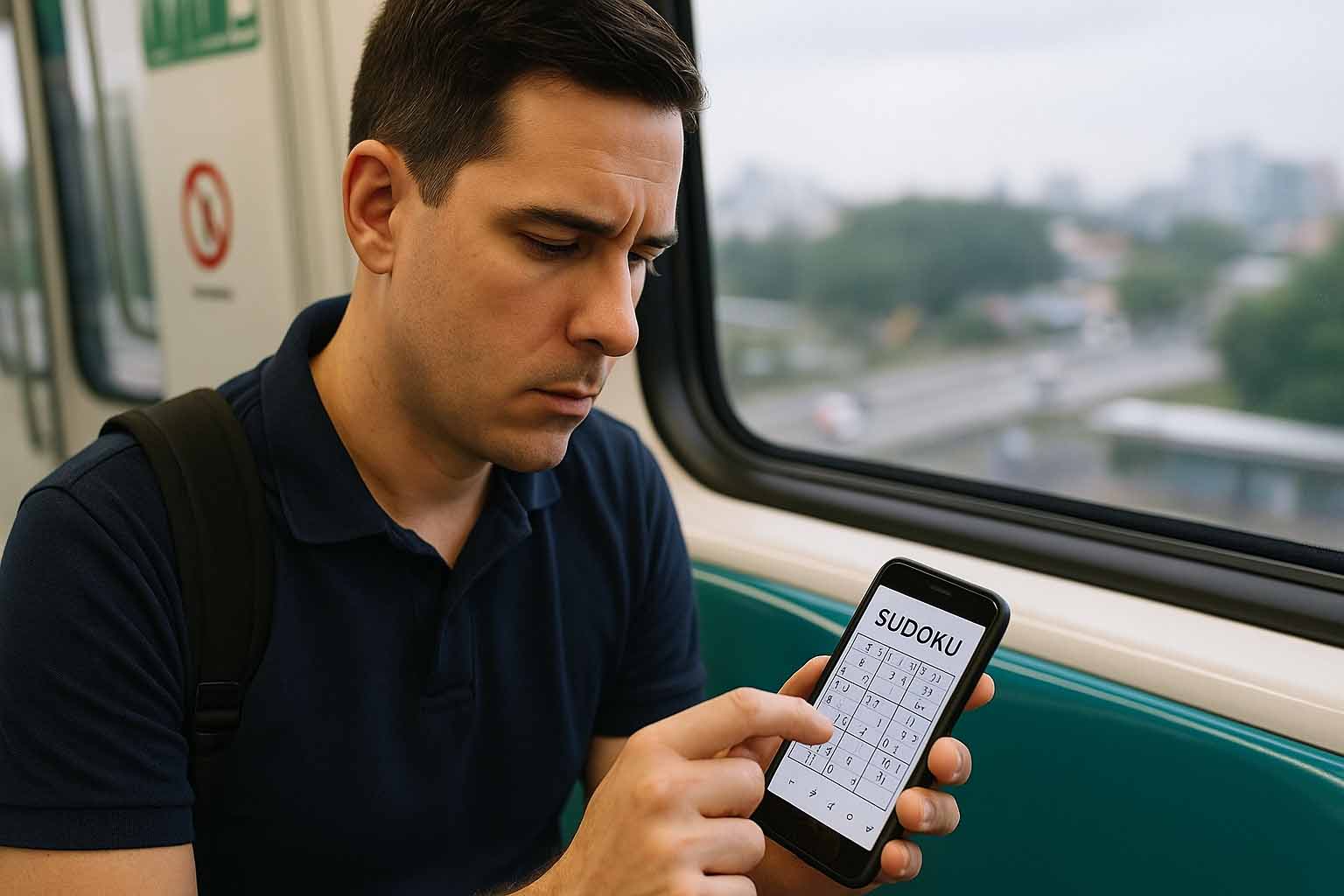
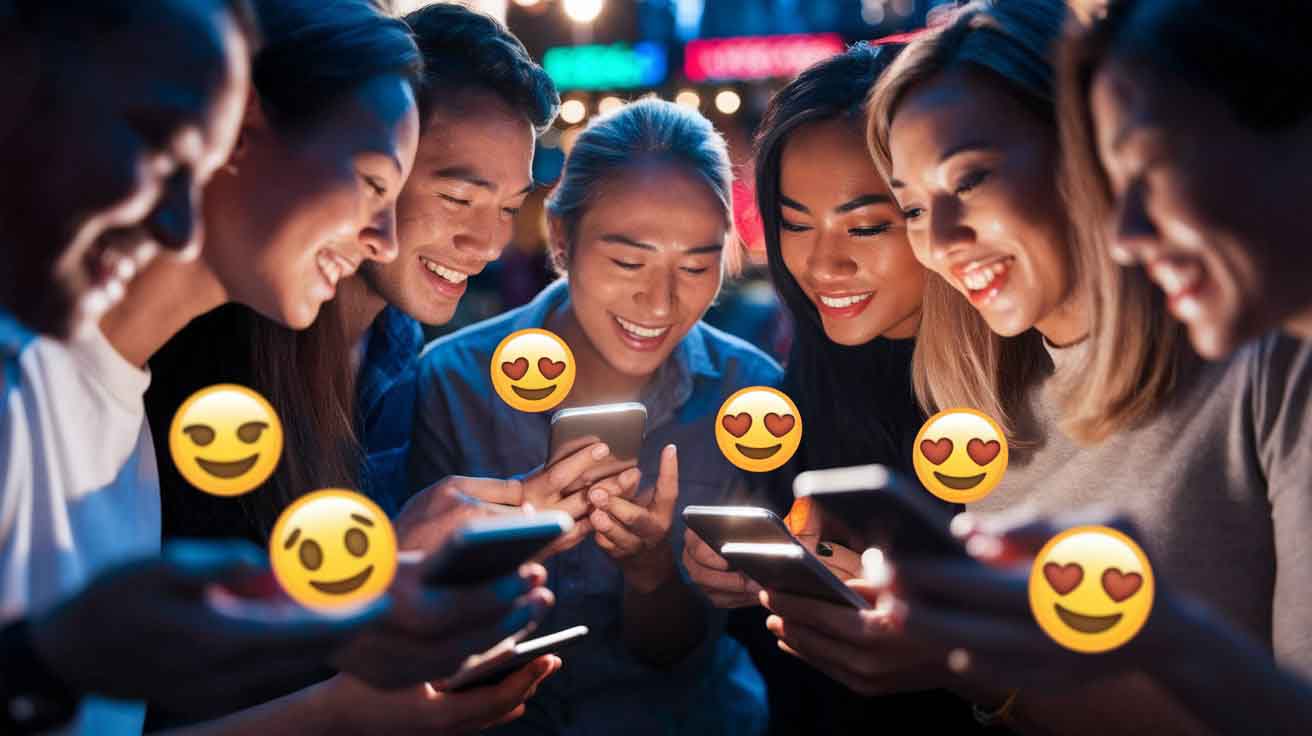
The smartphone remains a primary gateway to puzzle culture in Singapore. Mobile apps offer endless puzzles, track progress, and provide a social layer that makes competition and collaboration easy.
What users love about mobile puzzle apps
- Accessibility: One tap and the puzzle fun begins. Apps are available anywhere and anytime.
- Structured progression: Most apps offer levels, daily challenges, and streaks that reward consistency.
- Social features: Leaderboards, friend invites, and shareable results on social media help maintain a communal vibe.
- Personalization: Algorithms tailor difficulty, themes, and puzzle types to keep players engaged.
A sample of popular app categories in local usage
- Classic logic and number puzzles: Sudoku, Kakuro, and nonograms for steady cognitive workouts.
- Word and language games: Word hunt, letter grids, and bilingual word challenges that celebrate Singapore’s linguistic diversity.
- Quick daily challenges: 5 to 10 minute puzzle bursts designed for busy schedules.
- Themed events and seasonal puzzles: Special holiday or festival puzzles that create timely shared experiences.
- Collaborative puzzles: Puzzles that can be solved with friends in real time or across distances.
How social media amplifies the trend
- Challenge videos: Short clips showing a puzzle being solved or a tricky clue being explained draw viewers in with a friendly, educational tone.
- Progress posts: Players post daily wins, time trials, or streak milestones, turning personal growth into a public narrative.
- Community shout outs: Skilled solvers often share tips and strategies, helping beginners to improve and stay motivated.
Local spaces and communities fueling the trend
Singapore has a rich ecosystem of places and groups that nurture puzzle culture. From cozy cafes to organized meetups, these spaces provide opportunities to learn, compete, and simply enjoy the company of fellow puzzle lovers.
Coffee shops and board game cafes
- Puzzle friendly venues: Many cafes now set aside a puzzle corner or host weekly puzzle nights where customers can swap clues, share solutions, and compare approaches.
- Themed puzzle days: Regulars look forward to curated puzzle bundles, daily mini games, and friendly public challenges.
- Community boards: Local cafes often feature community boards where people post their own clues and solutions for others to try.
Libraries and community centers
- Public programs: Libraries host beginner workshops, weekly puzzle clubs, and storytelling sessions that incorporate brain teasers tied to literacy and numeracy.
- Family oriented events: Weekend sessions attract families who enjoy solving puzzles together and then discussing strategies afterward.
- Accessibility initiatives: Some programs tailor puzzles for visually impaired readers or those who use assistive technologies.
Private clubs and events
- Board game and puzzle meetups: Regular gatherings where solvers can test their skills on a range of formats from card-based to digital.
- Escape room and puzzle hunts: Location based experiences that mix storytelling with clue solving, often using Singaporean landmarks as backdrops.
- School and corporate programs: Puzzles are used for team building, classroom engagement, and mental wellness activities.
Education, wellness and brain health
Puzzle play intersects with education and mental wellbeing in meaningful ways. The Singaporean context — with strong schooling culture and a commitment to lifelong learning — provides fertile ground for puzzle based activities.
In schools and after school programs
- Cognitive skills development: Pattern recognition, memory training, and logical thinking are reinforced through puzzle work.
- Language development: Crossword style activities support vocabulary building and bilingual language exposure.
- Problem solving and resilience: Puzzles teach perseverance, strategy, and the joy of iterative problem solving.
For seniors and lifelong learners
- Memory games and gentle cognitive training: Light puzzle sessions can support mental agility and social connection among older adults.
- Community engagement: Puzzle clubs offer a place to meet peers, share stories, and stay mentally active in a low pressure setting.
Mental wellness and productivity
- Stress relief: Solving puzzles can provide a calming focus that reduces anxiety and creates a sense of mastery.
- Focus and concentration: Regular practice helps improve attention span and task switching in daily life.
- Creative thinking: Some puzzle formats fuel lateral thinking and flexible problem solving that translate to other activities.
The cultural texture of Singaporean puzzle culture
Puzzles in Singapore are more than a pastime; they reflect the city’s diverse languages, urban rhythm, and social fabric. The following habits illustrate how the puzzle trend connects to everyday life.
Language and word play
- Bilingual incentives: Word games that weave English and Mandarin or Malay and Tamil reflect the multilingual landscape.
- Local references: Clues and answers often nod to neighborhoods like Katong, Tiong Bahru, or Haw Par Villa, adding a sense of place.
Emoji and visual trends
- Emoji riddles: Short challenges that use emoji sequences to convey phrases or clues tap into a universal digital language and quick thinking.
- Visual puzzle art: Nonograms and picture puzzles that reveal familiar Singaporean scenes offer a playful visual feast.
Social storytelling through progress
- Challenge chronicles: Solvers publish their puzzle journeys, sharing strategies, times, and breakthroughs in a narrative style.
- Community heroes: Skilled players who help others improve become local influencers, reinforcing a culture of support.
Accessibility and inclusion in puzzle culture
A healthy puzzle culture should be accessible to all. In Singapore, there is growing attention to inclusive design and participation.
Making puzzles accessible
- Large print and high contrast formats: To aid readers with visual impairments.
- Audio support: For listeners who prefer audio cues or cannot see small screens well.
- Clear instructions and adaptable difficulty: Puzzles that offer easy entry levels and scalable challenges.
Inclusive participation
- Multilingual clues: Puzzles that respect language diversity help more people join in.
- Community led sessions: Volunteer facilitators guide newcomers and tailor activities to different skill levels.
The future of puzzle culture in Singapore
What comes next for puzzle games and brain teasers in Singapore? Several trends point toward a richer, more technology driven, and community oriented scene.
- AI assisted puzzles: Generative clues and adaptive difficulty can tailor experiences for new and veteran solvers alike.
- Augmented reality puzzles: AR experiences that blend city spaces with clues offer a new layer to urban exploration.
- Location based adventures: Puzzle hunts that guide participants through neighborhoods, blending fitness with problem solving.
- Inclusive formats: More puzzles designed for different abilities and learning styles to ensure everyone can participate.
- Education partnerships: Schools and museums may collaborate on curated puzzle trails that combine history, science, and language learning.
How to start your own puzzle journey in Singapore
If you are new to puzzles or looking to deepen your practice, here is a simple plan to begin.
- Pick a starting puzzle style: Sudoku, word games, cryptic crosswords, or a bilingual challenge. Start with something approachable.
- Find a local community: Check out puzzle nights at cafes, library clubs, or school events. Join online groups to learn about upcoming sessions.
- Set a realistic routine: 10 to 15 minutes a day is enough to build a habit. You can gradually increase the time as you gain confidence.
- Share and learn: Post your progress, swap tips, and celebrate small wins with friends or online communities.
- Explore local relevance: Try puzzles that reference Singaporean places or cultural moments to keep the experience connected to your city.
A practical 30 day starter plan
- Day 1 to 5: Solve a 9×9 Sudoku daily, then review the techniques you used.
- Day 6 to 10: Try a bilingual word search or crossword; learn 5 new words in each language.
- Day 11 to 15: Join a puzzle meet up or cafe event; observe how others approach clues.
- Day 16 to 20: Tackle a nonogram with a simple picture you enjoy.
- Day 21 to 25: Challenge a friend to a timed puzzle duel and compare strategies.
- Day 26 to 30: Create a mini puzzle for someone else to solve; teaching clues reinforces your own learning.
Stories from the neighborhood
Across Singapore, personal stories illuminate why puzzle culture matters. A family in a HDB flat might gather around a Sunday Sudoku to begin the day with focus. A university student group could organize a weekly puzzle night that doubles as a networking event. An elderly club might host an afternoon of gentle word games that spark laughter and conversation. These micro narratives show how puzzles can fit into both daily life and special occasions, providing moments of shared discovery.
What makes puzzle trends work on Poskod.sg
Poskod.sg thrives on stories about people, places, and phenomena that reveal the city’s soul. This trend analysis aligns with our ethos by highlighting:
– Local flavor: Puzzle formats that reflect Singaporean languages, neighborhoods, and everyday logistics.
– Human connection: A focus on how puzzles bring people together across ages and backgrounds.
– Curious culture: A look at how playful curiosity shapes urban life, from cafes to libraries to online spaces.
Reader tips to engage with the puzzle wave
If you want to participate more deeply in Singapore’s puzzle culture, consider these practical tips.
- Attend a local puzzle night: Look for community boards at bookstores or cafes that host regular sessions.
- Start a small puzzle club: Invite neighbors, classmates, or coworkers to bring a puzzle and a snack.
- Create a mini puzzle trail: Use a familiar neighborhood to hide clues that lead to a small reward.
- Share discoveries online: Post solutions, tips, or mini guides that help others begin their journey.
- Support accessible puzzle design: Seek out formats that work for different abilities or offer adaptations.
The Poskod.sg take on this phenomenon
Puzzle games and brain teasers in Singapore reflect more than a pastime. They reveal how residents navigate a busy urban life with creativity, humor, and community spirit. The trend is inclusive, evolving with technology, and deeply tied to the city’s diverse languages and landscapes. It is about learning, play, and connection all at once.
As Singapore continues to evolve, the puzzle table will likely grow larger and more varied. The city will host more community events, more bilingual and accessible formats, and more technology informed experiences that blur the lines between offline and online play. The future of puzzle culture in Singapore looks bright, social, and smart.
If you are curious about more local trends and phenomena, stay tuned to Poskod.sg. We will keep exploring the stories behind Singapore’s people and passions, including how play and curiosity shape the city we call home.



Leave a Reply